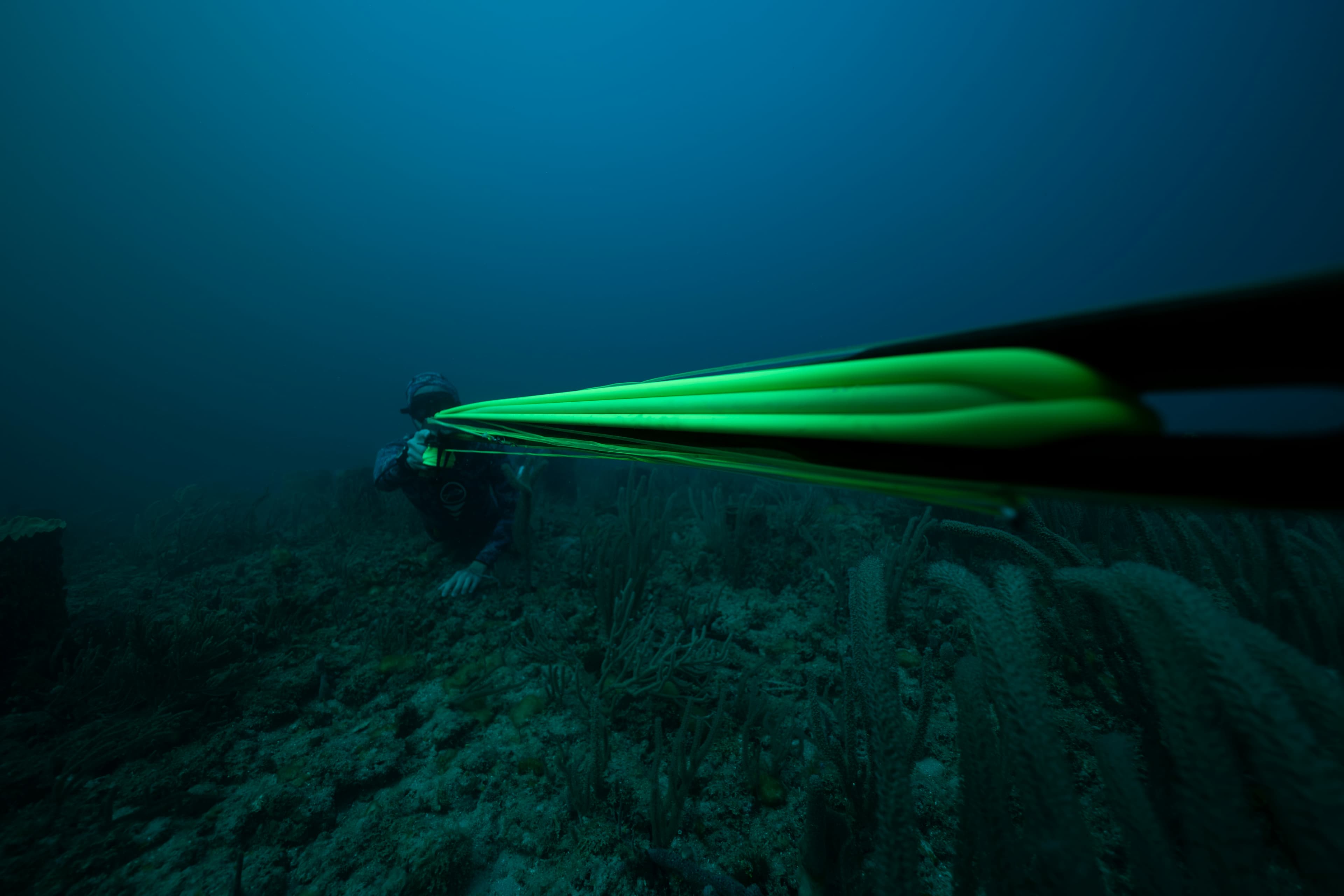
What to Expect from Your First Melbourne Freediving Course
A realistic guide to your first freediving training — honest expectations, what to prepare, and how to recognise quality instruction.
You've decided to learn freediving. You've booked a course. Now you're probably wondering: What will it actually be like?
This guide gives you realistic expectations for first-time freediving students in Melbourne. The goal isn't to scare you (freediving is genuinely wonderful) but to help you arrive informed and get the most from your training.
Before Your Course
Physical Preparation
Good news: you don't need to be an elite athlete to learn freediving. The sport rewards relaxation over fitness, technique over strength.
Basic requirements:
Ability to swim 200 metres without stopping
Comfortable in water over your head
No medical contraindications
Not required:
Competitive swimming ability
Existing breath-hold ability
Previous freediving experience
Medical Considerations
Freediving involves breath-holding and pressure changes. Conditions that typically require medical clearance include heart conditions, respiratory conditions (asthma, COPD), epilepsy, and ear or sinus problems.
Important: Do not freedive if you're congested or have a cold. Equalisation becomes difficult or impossible, and you risk barotrauma.
The Day Before
Do: Get a good night's sleep, stay hydrated, eat normally.
Don't: Stay up late partying, drink heavily, or try to "practice" breath-holds beyond your normal ability.
What to Bring
Usually provided: Wetsuit, mask, snorkel, fins, weight belt.
Bring yourself: Swimsuit, towel, warm clothes, sunscreen, water bottle, snacks.
For Melbourne specifically: Extra warm layers, thermos with hot drink, beanie for between dives.
Theory Session
What You'll Learn
Physiology: How your body responds to breath-holding, the mammalian dive reflex, why hyperventilation is dangerous.
Technique: Proper breathing preparation, relaxation methods, equalisation techniques (Valsalva and Frenzel).
Safety: Buddy procedures, recognising signs of distress, blackout response, rescue techniques.
What Good Theory Looks Like
Positive signs: Instructor explains "why" not just "what," time for questions, safety content treated as essential.
Warning signs: Rushed content, safety section minimised, no time for questions, "don't worry about that, just do what I say."
Pool Session
What You'll Practice
Static apnea: Breath-holds while floating face-down
Dynamic apnea: Swimming underwater on one breath
Rescue skills: Simulated blackout response, towing an unconscious diver
What Good Pool Training Looks Like
Positive signs: Progressive introduction, safety demonstrated and practiced, instructor watching closely, feedback specific to you.
Warning signs: Large groups with insufficient supervision, safety skills shown once but not practiced, pressure to achieve specific times/distances.
Realistic Expectations
Common first-timer experiences:
Surprise at how long you can actually hold your breath
Discomfort with the urge to breathe
Difficulty relaxing completely
Equalisation challenges
What you probably won't achieve on day one: Three-minute breath-holds, perfect technique, or mastery of equalisation. This is all normal.
Open Water Session
Melbourne-Specific Considerations
Cold water — Even in summer, expect 5mm+ wetsuit
Variable visibility — Conditions depend on weather
Real ocean conditions — Current, swell, marine life
What You'll Experience
Site briefing and equipment check
Descents on a line to controlled depths
Progressive depth increases based on your comfort
Multiple dives with surface intervals
What Good Open Water Training Looks Like
Positive signs: Clear briefing, appropriate ratios (4:1 or better), safety divers in water, your comfort level respected.
Warning signs: Large groups sharing one line, pressure to reach certification depths, students acting as sole safety, dismissing equalisation problems.
Equalisation Challenges
The most common issue in open water. Almost everyone struggles initially.
What to do: Stop descent when you feel pressure, equalise before pain develops, never push through pain, tell your instructor.
What a good instructor does: Recognises problems early, offers technique suggestions, keeps you at comfortable depths.
What a bad instructor does: Tells you to "just push through," gets frustrated, pressures you toward depths you can't comfortably reach.
After Your Course
What Certification Actually Means
What it means: You understand basic theory, can perform fundamental skills, have demonstrated competence to specified depths.
What it doesn't mean: You're ready to dive to certification depth unsupervised immediately, or that you know everything about freediving.
Recommended approach:
Dive conservatively, well within your demonstrated abilities
Prioritise practice over pushing limits
Focus on technique refinement
Build experience gradually
Never dive alone
Building Skills Post-Course
Options in Melbourne:
Melbourne Freedivers Club: Weekly pool training, community, organised trips
Provider pool sessions: Freediving Family runs weekly sessions at MSAC
Independent practice: Pier diving with a buddy
Recognising Quality Throughout
A Good Instructor Will:
Answer your questions thoroughly without condescension
Watch you closely during exercises
Provide specific feedback for improvement
Prioritise your comfort and safety over schedule
Be honest about what you've achieved and what needs work
Want to ensure you're choosing the right instructor? Our comprehensive guide explains how to evaluate a freediving instructor before booking, including credential verification, safety questions to ask, and red flags to watch for.
Trust Your Instincts
If something feels wrong — being pressured, dismissed, unsafe — trust that feeling. You're allowed to say "I'm not comfortable with this," ask for more explanation, or decline to attempt something that feels wrong.
Freediving should be challenging and growth-inducing. It should not feel dangerous, dismissive, or pressure-filled.
Final Thoughts
Learning to freedive is genuinely wonderful. The ability to hold your breath, descend into another world, and return safely is a remarkable human capability. Good training makes it accessible, sustainable, and safe.
Your first course is the foundation for everything that follows. Take it seriously. Choose your provider carefully. Engage fully with the learning. Ask questions. Practice what you learn.
And when it clicks — when you experience that calm glide through blue water, completely at peace with a single breath — you'll understand why people fall in love with this sport.
Welcome to freediving.
Dive Melbourne — Complete Series
- 1Complete Guide to Freediving in Melbourne: Training, Providers & Safety
- 2Best Freediving Locations in Melbourne & Victoria: A Complete Guide
- 3Melbourne Freediving Courses Compared: An Independent Guide (2025)
- 4PADI vs Molchanovs Freediving Courses in Melbourne: Which Should You Choose?
- 5What to Expect from Your First Melbourne Freediving Course
- 6Freediving Safety in Cold Water: Melbourne & Victorian Conditions
- 7Freediving in Port Phillip Bay: Conditions, Sites & Safety