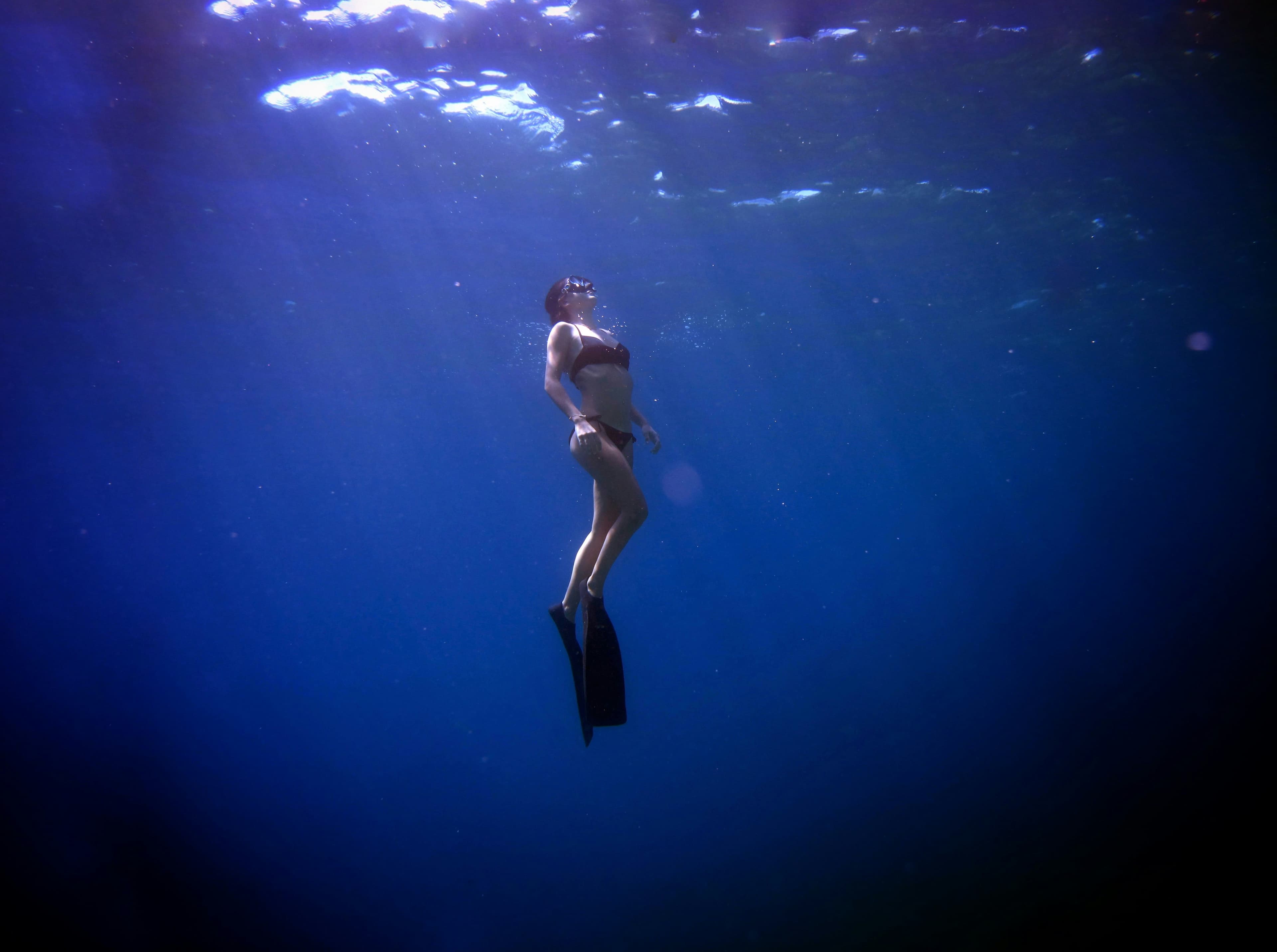
Best Freediving Locations in Melbourne & Victoria: A Complete Guide
Your independent guide to where to freedive around Melbourne — with honest assessments of conditions, skill requirements, and safety considerations that training providers don't always share.
Melbourne sits at the heart of one of Australia's most underrated freediving regions. While tropical destinations get the glossy magazine spreads, the temperate waters of Port Phillip Bay and Victoria's coastline offer something equally remarkable: world-class marine biodiversity, accessible shore diving, and conditions that — when you know how to read them — can rival anywhere on the planet.
But here's what the marketing doesn't tell you: not every site is suitable for every freediver. The conditions that make Victorian waters so biologically rich also demand respect. Currents can be fierce, visibility fluctuates dramatically, and cold water changes everything about how you dive.
Understanding Melbourne's Freediving Environment
Port Phillip Bay is a 1,930 square kilometre semi-enclosed bay connected to Bass Strait through a narrow entrance known as "The Rip" — one of the most treacherous stretches of water in Australia. This geography creates the conditions that define Melbourne freediving: strong tidal currents near the entrance, relatively protected waters further inside the bay, and a constant exchange of nutrient-rich oceanic water that supports extraordinary marine life.
Water temperature ranges from around 10-14°C in winter to 16-21°C in summer. You'll need appropriate exposure protection year-round — most local divers use 5-7mm wetsuits depending on season, with hoods and gloves standard in winter.
Visibility is highly variable. The bay averages 6-10 metres, but can exceed 15 metres on good days or drop to 2-3 metres after storms. Winter typically offers clearer conditions despite colder temperatures.
Shore-Accessible Sites: Pier Diving
Melbourne's piers are legendary among Australian divers, offering incredible marine life at shallow depths with easy access.
Blairgowrie Pier
Depth: 2-7 metres | Skill Level: Beginner to intermediate
Widely considered one of the best temperate water pier dives in the world, Blairgowrie offers the most protected conditions thanks to its marina seawall. The pylons are covered in vibrant sponges, ascidians, and kelp — creating habitat for over 100 species of nudibranchs alone.
What you'll see: Big-belly seahorses, octopus, spider crabs, cuttlefish, nudibranchs, southern fiddler rays, smooth stingrays, Shaw's cowfish, and the elusive tasseled frogfish. During May-June, witness the spectacular giant spider crab migration.
Safety: Current runs perpendicular to the pier and can be strong — best dived at slack water.
Rye Pier
Depth: 0-8 metres | Skill Level: Beginner to intermediate
An L-shaped pier approximately 500 metres long, featuring Victoria's first underwater marine trail.
What you'll see: Seahorses (both big-belly and short-head species), octopus, cuttlefish, smooth stingrays, giant spider crabs in season, and occasionally fur seals and dolphins.
Note: Many experienced divers consider Rye "better at night" when nocturnal species emerge.
Portsea Pier
Depth: 0-6 metres | Skill Level: Intermediate
The star attraction at Portsea is the weedy seadragon — Victoria's marine emblem. The nearby kelp-covered reef is prime seadragon habitat.
What you'll see: Weedy seadragons, goblinfish, magpie morwong, stingrays, leatherjackets, nudibranchs.
Note: More exposed than other piers — surge can be significant, making entries and exits more challenging.
Flinders Pier (Western Port)
Depth: 2-6 metres | Skill Level: Beginner to intermediate
The BBC Natural History team spent three weeks here filming weedy seadragons for Blue Planet II. The seagrass habitat supports dozens of seadragons.
Best for: If weedy seadragons are your primary goal, this is the most reliable site in the Melbourne region.
Boat-Access Sites
Pope's Eye
Depth: 2-15 metres | Skill Level: Intermediate (inside), Advanced (outside)
Pope's Eye is the uncompleted foundation of an 1880s island fort — now a marine sanctuary. Fishing has been banned since 1976, creating a haven where fish populations are noticeably larger and more abundant.
What you'll see: Diverse reef fish, giant Australian cuttlefish, featherstars, abalone. Australian fur seals haul out on the rocks and may join you in the water.
Critical warning: Current can be extremely strong here. The inside is genuinely suitable for all levels; the outside is genuinely only for experienced divers comfortable with current.
Portsea Hole
Depth: 14-33 metres | Skill Level: Advanced
A remnant of the ancient Yarra River valley, Portsea Hole is a bowl-shaped depression with a vertical wall. One of Victoria's premier dive sites and a genuine depth challenge for freedivers.
What you'll see: Blue devilfish (Victoria's iconic reef fish), schooling whiting, diverse fish life.
Note: This is a serious depth site requiring experience with equalisation, proper weighting, and buddy support. This is not a training site — it's a goal to work toward.
Lonsdale Wall
Depth: 13-50+ metres | Skill Level: Advanced only
Considered the best wall dive in Port Phillip, offering spectacular drop-offs, large overhangs, caves, and ledges covered in sponges and gorgonian coral.
Critical warning: This is a slack water dive in an area with extremely strong currents. The Rip area has claimed numerous ships and lives. If you're a beginning freediver, this is something to aspire to, not attempt soon.
Freshwater Training Sites
Kilsby Sinkhole (Mount Gambier, SA)
Depth: 0-25+ metres | Visibility: 40-50+ metres | Temperature: ~14°C year-round
Though technically in South Australia (about 5 hours from Melbourne), Kilsby Sinkhole is a common destination for Melbourne-based freediving courses. The crystal-clear freshwater, vertical profile, and controlled environment make it an exceptional training location.
Note: If your course includes Kilsby Sinkhole, consider yourself fortunate — it's genuinely one of the best places on the planet to learn freediving skills.
Lake Purrumbete
Depth: Up to 45 metres | Access: ~2.5 hours from Melbourne
A volcanic crater lake near Camperdown, offering accessible depth training for Melbourne freedivers. Melbourne Freedivers Club organises trips here for members.
Evaluating Your Skill Level
You're ready for pier diving if you:
Can comfortably hold your breath for 1-2 minutes in pool conditions
Have basic equalisation technique
Are confident swimming in open water
Have appropriate exposure protection
Understand buddy procedures
You're ready for protected boat sites if you:
Have completed at least a foundational freediving course
Can consistently equalise to 10+ metres
Have experience with boat diving procedures
Can handle some current
You're ready for advanced sites if you:
Have significant freediving experience and/or advanced certification
Can reliably equalise to the depths you plan to dive
Have experience with current diving
Understand and practice strict buddy protocols
If you're unsure: Start easier. No dive site is worth injury. Every experienced freediver built their skills progressively.
Final Thoughts
Melbourne's freediving sites reward those who approach them with respect and preparation. The marine life diversity rivals anywhere in Australia — over 100 species of nudibranchs at a single pier, seadragons featured in global documentaries, temperate reef systems that scientists travel from around the world to study.
Start at the piers. Build your skills. Understand the conditions. Work toward the advanced sites progressively. The ocean will still be there when you're ready.
Dive Melbourne — Complete Series
- 1Complete Guide to Freediving in Melbourne: Training, Providers & Safety
- 2Best Freediving Locations in Melbourne & Victoria: A Complete Guide
- 3Melbourne Freediving Courses Compared: An Independent Guide (2025)
- 4PADI vs Molchanovs Freediving Courses in Melbourne: Which Should You Choose?
- 5What to Expect from Your First Melbourne Freediving Course
- 6Freediving Safety in Cold Water: Melbourne & Victorian Conditions
- 7Freediving in Port Phillip Bay: Conditions, Sites & Safety