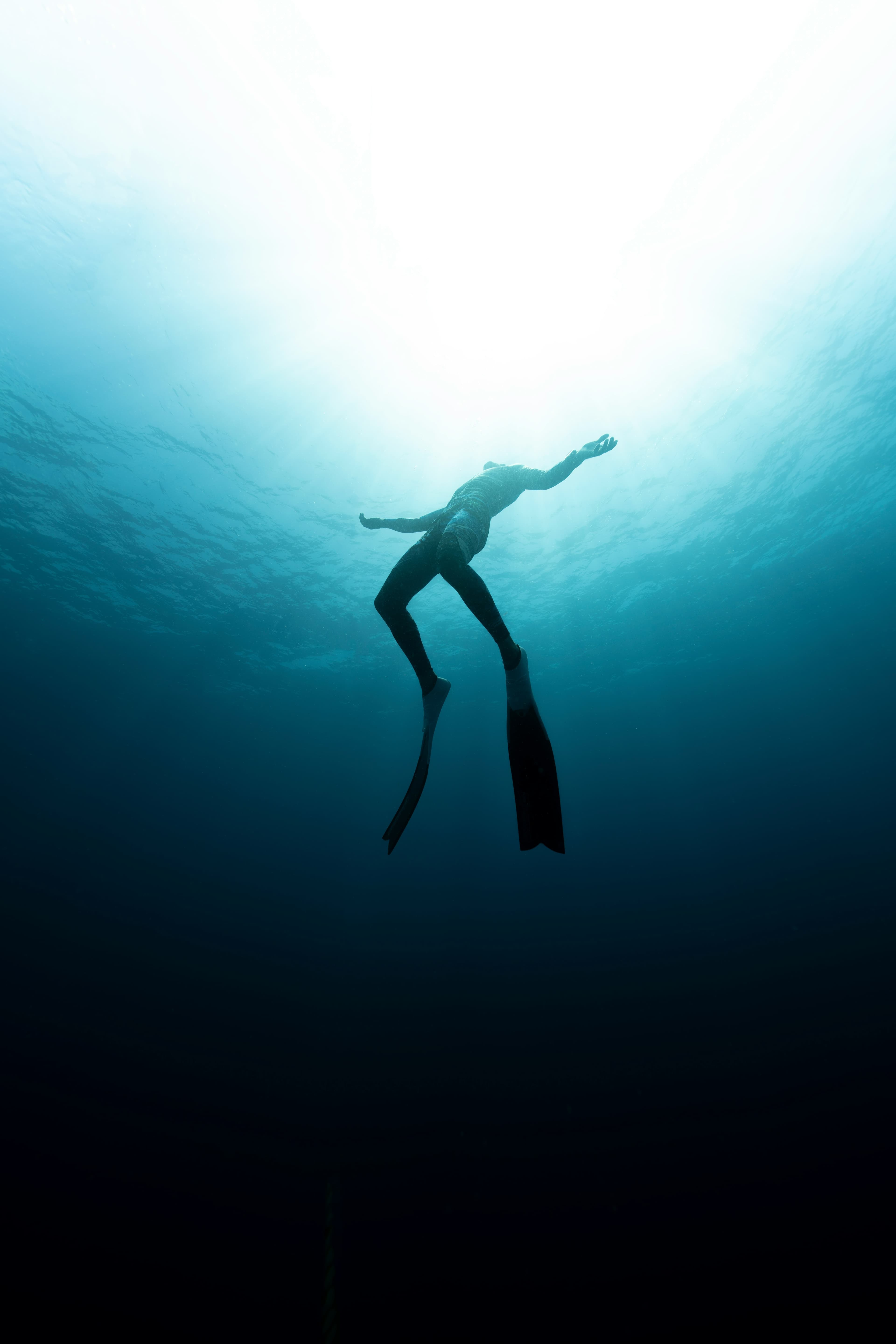
Freediving in Port Phillip Bay: Conditions, Sites & Safety
An in-depth guide to understanding Melbourne's home waters — seasonal patterns, site selection, marine life encounters, and the safety considerations that matter.
Port Phillip Bay is Melbourne's freediving backyard — nearly 2,000 square kilometres of temperate marine environment that supports extraordinary biodiversity. For freedivers, it offers everything from shallow pier diving ideal for beginners to advanced wall dives that challenge experienced divers.
But the bay is not a swimming pool. The same geography that creates incredible marine life also creates conditions that demand understanding and respect. This guide gives you the local knowledge to dive Port Phillip safely and productively.
Understanding the Bay
Port Phillip Bay is a large, semi-enclosed body of water averaging about 13 metres deep, with a maximum depth of around 24 metres. It connects to Bass Strait through a narrow entrance at The Heads.
Why The Heads Matter
The 3.5km gap at The Heads acts as a funnel for massive tidal flows. Twice daily, around 28 billion litres of water move in or out of the bay. This exchange:
Brings nutrient-rich oceanic water that supports diverse marine life
Creates fierce currents near the entrance (The Rip)
Generates slack water windows essential for certain dives
Affects conditions throughout the southern bay
The Rip has claimed many ships and lives. It's genuinely dangerous, not marketing drama.
Tidal Patterns
Flood tide (incoming): Water flows into the bay
Ebb tide (outgoing): Water flows out to Bass Strait
Slack water: Brief window when tidal flow is minimal
At Pope's Eye: Add approximately 45 minutes to Heads slack time. Further up the bay (Melbourne end): Minimal tidal current, less critical timing.
Water Conditions Through the Year
Temperature
Summer (Dec-Feb): 17-21°C — 5mm wetsuit minimum
Autumn (Mar-May): 14-19°C — 5-7mm wetsuit
Winter (Jun-Aug): 10-14°C — 7mm wetsuit, hood, gloves
Spring (Sep-Nov): 12-16°C — 5-7mm wetsuit
Cold water significantly affects freediving physiology. Your mammalian dive reflex is stronger (helpful), but you'll consume oxygen faster and fatigue more quickly.
Visibility
Average: 6-10 metres | Excellent: 15+ metres | Poor: 2-3 metres
Factors affecting visibility:
Wind: Northerly winds reduce visibility; southerly winds often bring cleaner water
Rain: Avoid diving 24-48 hours after heavy rain
Tides: Incoming/high tide often improves pier visibility
Season: Winter often has the clearest visibility despite colder water
Seasonal Marine Life Highlights
Summer (December-February)
Peak diversity of fish and invertebrate species
Increased activity from rays and sharks
Possible seal and dolphin encounters
Best water temperature for extended diving
Autumn (March-May)
Giant spider crab aggregation begins (typically May-June)
Cuttlefish mating season
Good balance of warm water and improving visibility
Winter (June-August)
Giant spider crab molting continues into early winter
Clearest visibility (counterintuitively)
Weedy seadragon eggs may be visible on males
Nudibranchs and other invertebrates still abundant
Spring (September-November)
Weedy seadragon breeding season
Water warming, species diversity increasing
Good photography season for seadragons
The Spider Crab Migration
One of Port Phillip Bay's most spectacular natural events. Each year (typically May-June), thousands of spider crabs walk into the bay's shallows to molt their shells, forming massive mounds near Rye and Blairgowrie Piers. For freedivers, it's an extraordinary sight.
Marine Life Encounters
Cephalopods
Maori octopus — large, intelligent, curious about divers
Blue-ringed octopus — small, venomous, beautiful (observe only!)
Giant Australian cuttlefish — large, colour-changing, often approachable
Dumpling squid — tiny, adorable, best seen at night
Distinctive Fish
Weedy seadragon — Victoria's marine emblem, protected
Goblinfish — bizarre appearance, bottom-dwelling
Blue devilfish — iconic Victorian reef fish
Big-belly seahorse — common at piers
Sharks and Rays
Don't worry — Port Phillip is not dangerous shark territory for divers:
Smooth stingray — large, graceful, common
Port Jackson shark — distinctive, harmless
Draughtboard shark — small, attractive pattern
Site Selection by Conditions
Light winds (under 10 knots): Almost any site is accessible.
Moderate northerly winds (10-20 knots): Blairgowrie (protected by seawall) is best. Visibility generally reduced.
Moderate southerly winds (10-20 knots): Most Mornington Peninsula piers are excellent. Southerlies typically bring cleaner water.
Strong winds (20+ knots): Blairgowrie is the most protected option. Consider postponing.
After heavy rain: Wait 24-48 hours minimum for visibility recovery.
Safety Considerations
Cold Water Effects
Enhanced mammalian dive reflex — potentially longer breath-holds
Increased oxygen consumption — you'll get cold and tired faster
Reduced dexterity — fine motor skills decline in cold
Hypothermia risk — especially on longer sessions
Mitigation: Appropriate exposure protection, shorter sessions, proper surface interval warming, hot drinks.
Boat Traffic
Port Phillip is a busy waterway. Always dive with a surface marker buoy when away from structure. Listen for engine noise before surfacing.
Current
If caught in current:
Don't fight it (you'll lose)
Signal for pickup
Conserve energy
Deploy SMB to maintain visibility
Emergency Planning
Know the location of nearest shore access
Know how to summon emergency services (000)
Have first aid equipment accessible
Ensure someone knows your dive plan
Planning Resources
Weather and Conditions:
Bureau of Meteorology Port Phillip Forecast
Willyweather — Local wind forecasts by suburb
Seabreeze — Detailed wind data
Tides:
Point Lonsdale Signal Station: VHF Channel 12
Victorian Tide Tables (published annually)
Final Thoughts
Port Phillip Bay is genuinely special. The diversity of marine life rivals tropical destinations — scientists and underwater photographers travel here from around the world. The infrastructure of pier diving makes it uniquely accessible.
But the bay is a dynamic marine environment with conditions that change daily and seasonally. Invest time in learning the bay's rhythms. The more you understand Port Phillip, the more it will give you in return.
Dive Melbourne — Complete Series
- 1Complete Guide to Freediving in Melbourne: Training, Providers & Safety
- 2Best Freediving Locations in Melbourne & Victoria: A Complete Guide
- 3Melbourne Freediving Courses Compared: An Independent Guide (2025)
- 4PADI vs Molchanovs Freediving Courses in Melbourne: Which Should You Choose?
- 5What to Expect from Your First Melbourne Freediving Course
- 6Freediving Safety in Cold Water: Melbourne & Victorian Conditions
- 7Freediving in Port Phillip Bay: Conditions, Sites & Safety