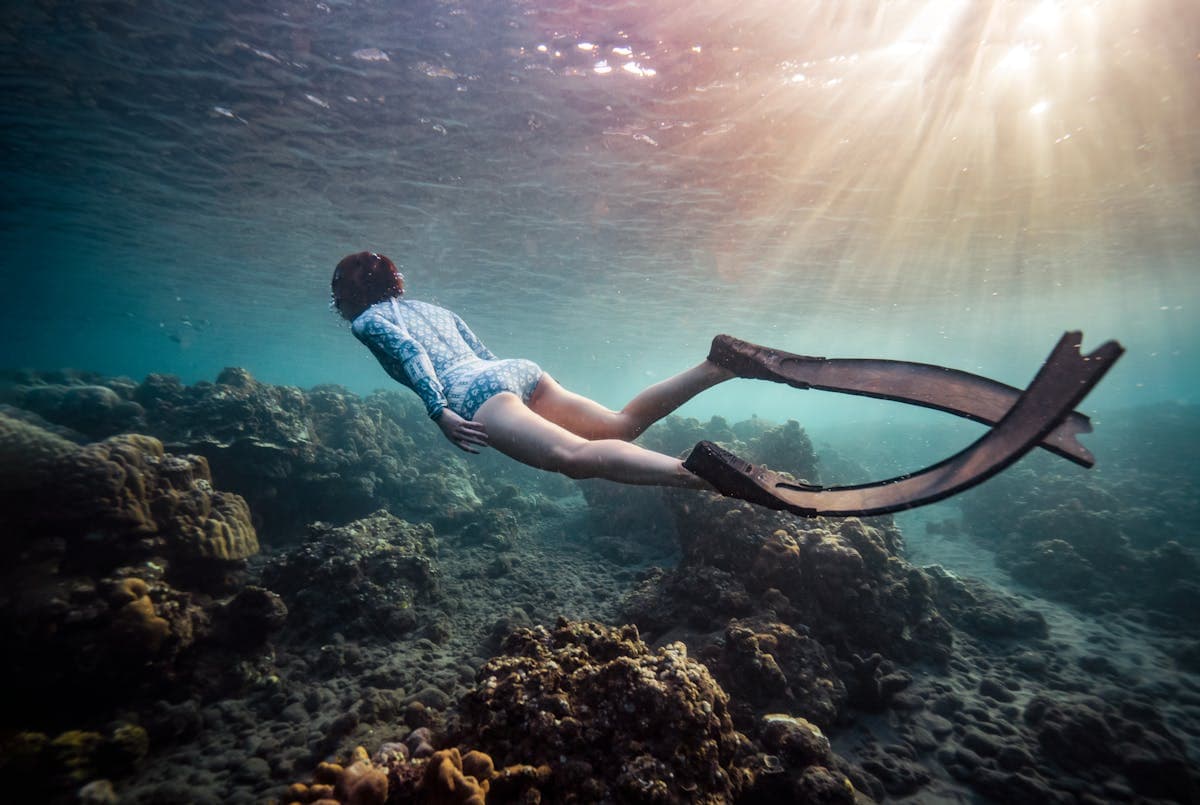
Freediving Fins Buying Guide: Carbon vs Fiberglass vs Plastic
"What fins should I buy?" is the most common question in freediving forums and Reddit threads. The answer depends on your budget, diving style, and where you are in your freediving journey.
This guide breaks down everything you need to know: the real differences between carbon, fiberglass, and plastic fins, how to choose the right stiffness for your body, and honest comparisons of the major brands including Leaderfins, Cetma, Alchemy, Mares, and Molchanovs.
The Quick Answer
Beginner on a budget: Mares Razor Pro (plastic, ~$100-150) or Leaderfins Fiberglass (~$150)
Best value for serious divers: Molchanovs SPORT Bifins 3 Fiberglass ($375)
Competitive/deep diving: Cetma Mantra, Alchemy V3-30, or Molchanovs SPORT Carbon ($475-670)
Now let's dive into the details.
Carbon vs Fiberglass vs Plastic: What Actually Matters
The material of your fin blades affects three things: efficiency (how much thrust per kick), durability (how easily they break), and price.
Plastic Fins
Price: $50-150 | Durability: Excellent | Performance: Basic
Plastic fins are cheap, virtually indestructible, and suitable for recreational freediving. However, they have a critical flaw: memory. When you kick and start to turn, a plastic blade doesn't follow through immediately—it's "lazy" about returning to straight. This means less thrust per kick and more energy wasted.
Best for: Complete beginners, rental operations, rocky shore entries, and divers who don't want to worry about damaging expensive gear.
Fiberglass Fins
Price: $150-400 | Durability: Good | Performance: 70-80% of carbon
The jump from plastic to fiberglass is dramatic. Fiberglass has no memory—the blade wants to snap back to straight immediately, giving you more thrust with less effort. Many world-class athletes train and compete using fiberglass bifins.
Fiberglass offers the best balance of performance, durability, and price. If you're a recreational freediver who wants quality gear without the fragility and cost of carbon, fiberglass is the answer.
Best for: Most freedivers. Seriously. Unless you're chasing records or diving beyond 40m regularly, fiberglass is all you need.
Carbon Fiber Fins
Price: $400-1200+ | Durability: Fragile | Performance: Best
Carbon is the "Rolls-Royce of fins"—the most expensive, most fragile, and most efficient option. The combination of stiffness and lightness translates to powerful thrusts with each kick, conserving oxygen and reducing fatigue during long dives.
However, carbon fins have downsides that salespeople won't mention:
Fragility: A bump against a rock or pool edge can crack them. If damaged, they can't be repaired without losing their properties.
Softness in currents: Carbon fins may be too soft to push through swell and current—they're optimized for pool and line/depth diving, not open ocean spearfishing.
Diminishing returns: The performance difference between a $600 carbon fin and a $150 fiberglass fin won't change your diving abilities. It really is the diver that makes the difference.
Best for: Competitive freedivers, deep divers (30m+), and those who prioritize maximum efficiency and don't mind handling gear carefully.
How to Choose Fin Stiffness
Fin stiffness is crucial. Too soft means less power and wasted movement. Too stiff burns more oxygen and causes lactic acid buildup. The traditional guide uses body weight:
Body Weight Stiffness Chart
Extra Soft: Under 45kg (100 lbs)
Soft: 45-70kg (100-155 lbs)
Medium Soft: 70-90kg (155-200 lbs)
Medium: 90-115kg (200-255 lbs)
Hard: Over 115kg (255+ lbs)
Factors Beyond Weight
Body weight is just the starting point. Consider these factors:
Leg strength: Regular swimmers or cyclists with developed leg muscles may benefit from stiffer blades, even at lower body weight.
Ankle flexibility: Flexible ankles work better with softer fins; stiff ankles need medium stiffness.
Diving style: Deep divers generally prefer softer fins (efficiency over power). Spearos in currents may need medium stiffness.
Kick style: Long, slow kicks work with soft fins. Fast flutter kicks need medium stiffness.
Our recommendation: Most freedivers should use soft to medium-soft fins. When in doubt, go softer. It's easier to adapt to a slightly soft fin than to fight against one that's too stiff.
Note: Different manufacturers have inconsistent stiffness ratings. What Leaderfins calls "medium" might be Cetma's "soft." Always check reviews or test in person if possible.
Brand Comparison: The Honest Truth
Here's what forums, reviews, and experienced divers actually say about each major brand.
Molchanovs
Price range: $145-850
Founded by world champion Alexey Molchanov, this brand has earned a reputation for premium quality at various price points.
Key models:
CORE Silicone Bifins ($145): Entry-level, silicone construction. Good starter fins.
SPORT Bifins 3 Fiberglass ($375): The sweet spot. Premium UHC fiberglass that rivals carbon performance. Best value for serious divers.
SPORT Bifins 3 Carbon ($475): Excellent carbon fins with removable foot pockets for easy travel.
PRO Bifins 3 Carbon ($850): Hand-built foot pockets, premium materials. For competitive athletes.
Strengths:
Fiberglass quality rivals other brands' carbon
Custom foot pocket sizing (when measured correctly) is unmatched
Excellent customer service and warranty
Weaknesses:
Custom foot pocket measurements must be precise—wrong sizing causes cramps
PRO line is expensive
Cetma Composites
Price range: $530+ (blades only) + $140 foot pockets
Italian manufacturer known for monocoque (single-piece) construction. Won "Best Choice 2024" from Apnea Passion magazine.
Key models:
Mantra ($530 blades): Best-seller. Available in XSoft, Soft, Medium, Hard. 100% IM7 carbon fiber.
Taras: Competition-focused. Slightly longer feel than Mantra.
S-Wing Foot Pockets ($140): 33-degree angle—more than most competitors.
Strengths:
Exceptional build quality
Monocoque construction for responsiveness
Popular among competitive freedivers
Weaknesses:
33-degree angle may be too aggressive for divers with naturally flexible ankles
Premium pricing (total setup ~$670+)
Blades and foot pockets sold separately
Alchemy
Price range: $525-550 (blades only) + foot pockets
Greek manufacturer known for innovation and durability. Offers a 5-year warranty on carbon blades.
Key models:
V3 ($525 blades): Flexes toward midsection. Good all-rounder.
V3-30 ($550 blades): 30-degree angle optimized for deep freediving. "Most powerful pair Alchemy has ever made."
V2HF: Flexes near the tip. Different kick feel.
Strengths:
5-year warranty on carbon—industry leading
Twist-resistant design
21-degree angle (more neutral than Cetma's 33)
5 stiffness options
Weaknesses:
Blades only—must buy foot pockets separately (C4 or Mares)
Premium pricing
Leaderfins
Price range: $120-200 (complete fins)
Polish manufacturer known for budget-friendly options. Won "Best Value for Money 2024" from Apnea Passion.
Key models:
Fiberglass Bi-Fins (~$120): Great entry point. Includes foot pockets.
Carbon Fiber Bi-Fins (~$165): Budget carbon option. Includes foot pockets.
Limited Edition designs: Various artistic designs at similar prices.
Strengths:
Price—complete carbon fins for under $200
Good enough for most recreational divers
Includes foot pockets and fin bag
1-year warranty
Weaknesses:
Quality and lifespan concerns compared to premium brands
Fiberglass blades may twist during kicks
Some reports of carbon blades breaking
You get what you pay for
Mares
Price range: $100-150 (complete fins)
Major diving brand with a solid entry-level freediving option.
Key model:
Razor Pro ($100-150): Polymer blades with interchangeable blade system. Foot pocket designed with Italian podiatry clinic.
Strengths:
Extremely comfortable foot pocket
Interchangeable blades—upgrade to fiberglass/carbon later
Durable for rocky entries
Good thrust for the price
Weaknesses:
Blades can be difficult to reattach after removal
Narrow foot pocket—not ideal for wide feet
Very stiff—may prefer standard Razor over Razor Pro if you don't have strong legs
Foot Pocket Fit Guide
A perfectly fitted foot pocket transfers 100% of your kick energy to the blade. A loose pocket wastes energy and can slip off. A tight pocket causes cramps and numbness.
The Ideal Fit
Snug around your entire foot—no wobble when you shake your leg
Can fit 1-2 fingers alongside your foot (not more)
No pressure points on top or sides
Toes not cramped at the front
How to Test Fit
Sit down (never test fins standing—the blade angle makes standing tests inaccurate)
Slide foot in and shake in all directions
Check for any rubbing or pinching
If you can fit more than 2 fingers in, it's too loose
Fixing Poor Fit
Too loose:
Use 3-5mm neoprene socks (adds volume)
Add fin keepers (rubber heel straps)
Thick tennis socks work in a pinch
Too tight:
Try next size up
Different brand may have different foot pocket shape
Numbness after 15-30 minutes = too tight
Sock Considerations
If you dive with neoprene socks (cold water), always test fins with the socks you'll actually use. A fin that fits with 5mm socks won't fit with 2mm socks.
Remember: feet shrink slightly in cold water. A snug fit on land will feel right in the water.
What to Buy at Each Budget Level
Under $150: Getting Started
Mares Razor Pro ($100-150): Best complete plastic fin. Upgrade blades later.
Molchanovs CORE Silicone ($145): Good starter fin if you know you'll stick with Molchanovs.
$150-250: The Upgrade
Leaderfins Fiberglass (~$150): "Best Value 2024." Dramatic improvement over plastic.
Leaderfins Carbon (~$165): Budget carbon. Decent performance, durability questions.
$350-500: Serious Recreational
Molchanovs SPORT Bifins 3 Fiberglass ($375): Best value for quality. Fiberglass rivals carbon. Removable pockets for travel.
Molchanovs SPORT Bifins 3 Carbon ($475): Excellent carbon fins with great foot pockets.
$600-800: Competitive
Cetma Mantra + S-Wing (~$670): Top-tier monocoque carbon. Popular with competitors.
Alchemy V3-30 + foot pockets (~$700): 5-year warranty. Twist-resistant. Deep diving focused.
$800+: Elite
Molchanovs PRO Bifins 3 Carbon ($850): Hand-built foot pockets. Top materials.
Cetma Taras: "Best Choice 2024." Competition focused.
Alchemy V3-30 Pro: Premium version with enhanced features.
📚 Educational Content Only: This guide is for educational purposes and does not replace professional freediving instruction. Before attempting any breath-hold training, equalization techniques, or depth diving, you must complete a certified freediving course with a qualified instructor (AIDA, PADI, SSI, Molchanovs, or FII). Never practice breath-holding in water without a trained safety buddy present.
Final Advice
Don't buy carbon as a beginner. You'll likely damage them while learning. Start with fiberglass or plastic.
Stiffness matters more than material. Wrong stiffness will hurt your diving more than "inferior" materials.
Try before you buy if possible. Every diver has preferences. Borrow from club members or rent different brands.
Budget for the full setup. Many premium fins sell blades only. Factor in foot pockets ($100-150) and fin bag.
The diver matters more than the gear. A skilled freediver with $150 fiberglass fins will outperform a beginner with $1000 carbon fins.
Remember: the best fin is the one that fits your feet, matches your body weight, and suits your diving style. Everything else is marketing.
Gear Guides — Complete Series
- 1Freediving Mask Buying Guide: How to Choose the Right Mask
- 2Freediving Wetsuit Guide: How to Choose the Right Suit
- 3Freediving Fins Buying Guide: Carbon vs Fiberglass vs Plastic
- 4Monofin vs Bifins: Complete Freediving Fins Comparison
- 5Freediving Weight Belt Setup Guide: Calculate, Distribute, Release